

3 Key Parts of Your Car's Air Intake System

August 27, 2018

Air plays a key role in combustion that takes place in the heart of your car's engine. Unless your gasoline mixes with an appropriate amount of air prior to combustion, it simply won't be able to generate the necessary amount of power.


Air makes its way to your engine through the aptly-named air intake system. An air intake system consists of multiple different components, each of which has a key role to play in providing your car with fresh air. The more you know about these components, the better you'll be able to catch potential problems before they grow too severe. In that spirit, this article takes a closer look at three key parts of your car's air intake system.


1. Air Filter


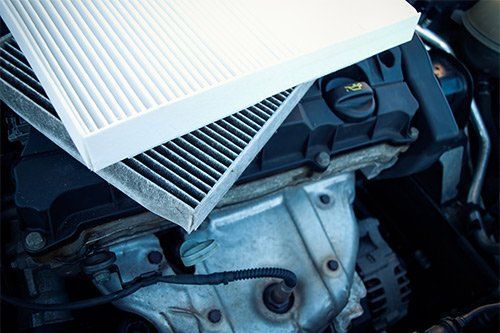
Chances are you already know a little bit about the first - and arguably the most important - component in your air intake system: your air filter. As air enters the air inlet on the hood or front grill of your car, it quickly flows into the filter. Air filters can be found beneath your hood, located midway between the inlet and your engine.


Two main types of air filters exist: open pods and drop-ins. Open pods can handle much greater volumes of air. This attribute makes them popular for high-performance applications, where they allow engines to generate a greater degree of power. Yet open pods tend to be much larger, taking up more room under the hood.


Drop-in air filters tend to be the most common style for passenger vehicles. These flat filters boast a more streamlined design and more efficient filtration. Regardless of the style, however, all air filters can cause problems for your car if they become excessively choked with dust and debris.


2. Mass Flow Sensor


As noted above, efficient combustion requires that fresh air and fuel mix together in a highly specific ratio. Once upon a time, this ratio had to be painstakingly set by hand - a feat that only an experienced technician could undertake. Today, however, almost all cars come equipped with engine control units. These computer-like components monitor a staggering variety of processes taking place inside your car.


Based on the information it receives, an engine control unit can make alterations to boost performance and efficiency. In order to optimize the air-fuel ratio, an engine control unit requires precise data about the flow rate of air entering your car. This data comes from the component known as the mass flow sensor.


The mass flow sensor measures the rate of air as it comes out of your air filter. This flow rate may change based on environmental factors such as temperature and pressure. This information allows the engine control unit to make downstream changes to get the most possible power out of your fuel.


3. Throttle Body


The throttle body can be found in between the mass flow sensor and your engine's intake manifold. It contains a special flap known as the butterfly. The butterfly pivots open and closed in order to alter the rate of air flowing into the engine.


Each time you step on the gas, your car's throttle body opens wider to allow more air to flow to the engine. The wider the throttle body, the more fuel your injectors will spray into the intake manifold. In order to provide quick and effective results, a throttle body must be regularly maintained. A lot of this maintenance involves keeping the throttle body clean. If an excess of deposits or contaminants build up on the butterfly, it may not be able to open or close all the way. If the movement of the butterfly becomes impeded, your car will struggle to accelerate efficiently.


For more information about what it takes to keep your air intake system running properly, please contact the auto pros at Letcher Bros. Auto Repair Foreign & Domestic.
Young mechanic using computer for accurate car diagnostics in a busy repair shop.
October 7, 2025
Auto diagnostic services for Richmond, CA, drivers. Call Letcher Bros Auto Repair at 510-724-2335 for expert help today.
Mechanic using scan tool on car engine in shop for accurate automotive diagnostic services.
July 24, 2025
Need Auto Diagnostic Services in Berkeley, CA? Avoid guesswork and costly repairs with accurate diagnostics from Letcher Bros. Call us at (510) 724-2335.
A mechanic performs automotive repair on a car in a garage, surrounded by tools and equipment.
May 26, 2025
Notice car trouble? Contact Letcher Bros. at (510) 232-2485 for trusted automotive repair in Richmond, CA. Fast, fair, and reliable service.
mechanic from Letcher Bros Auto Repair working on an automotive repair in Richmond, CA
March 28, 2025
Learn why regular automotive maintenance is essential for Richmond residents. Keep your vehicle safe and efficient with Letcher Bros Auto Repair.
A person fixing a tire l Automotive Repair Richmond CA, Letcher Bros Auto Repair
January 30, 2025
Learn how to save money on auto repairs in Richmond, CA without sacrificing quality. Follow these tips for preventative maintenance, addressing small issues early, and working with a trusted repair shop like Letcher Bros.
Mechanics from Letcher Bros Auto Repair performing auto diagnostic services in Crockett, CA, ensurin
January 8, 2025
Improve your car’s performance with auto diagnostic services in Crockett, CA. Contact Letcher Bros at (510) 724-2335 to keep your vehicle running smoothly!
A man is pumping gas into a car at a gas station.
May 3, 2023
Uncover what lean fuel codes mean, why they trigger your check engine light, and how addressing them protects your engine.
April 6, 2023
Have you seen a wet patch underneath your car every time you park it? Before you make conclusions, it's essential to determine if you require expert help to fix the car problem. Whether it's your first car or you have several of them, identifying the leak might be difficult. For this reason, you should learn how to diagnose leaks and make an informed decision. This piece will help you understand the common types of car fluid leaks. Oil Seepage Oil leakage is a common problem you may face as you use a vehicle. The leakage forms a yellow or dark-brown patch under the car after parking it for some time. There are numerous reasons why a car may have an oil leak issue. Maybe you have a damaged oil filter, faulty oil seal, or damaged engine gasket. Issues like a defective or lost cap, holes in the oil pan, and valve gasket problems may also cause seepage. Fixing this seepage issue is affordable, so consider asking the mechanic for assistance. You may prevent this issue by prioritizing car service and oil changes. Ensure the oil you buy is from a good brand. 2. Brake Fluid Leakage Compared to an oil outflow, brake fluid leaks are somewhat challenging to diagnose. You will see a light-brown fluid close to the wheels or brake pads. If you notice this leak, do not hesitate to call your auto mechanic shop for emergency assistance. Brake fluids may leak if your vehicle has wobbly bleeder valves or worn brake pads, or when brake calipers, the rubber hose, or the master or wheel cylinders leak. Because this leak problem is severe, you should stop driving immediately after seeing the fluid signs on the wheels. 3. Power Steering Leakage Never ignore a power steering leak problem, as it indicates that your auto needs repair immediately. You will see this brown or red color leak towards the front part of the automobile. Its drip is thin and may occur after the seals and o-rings lose form because of old age. Older autos or those with significant mileage are more prone to this steering leak problem. You'll know there's a leak if turning the wheel when riding becomes challenging. This usually means the levels of the fluid are low and can't be pressurized. Sometimes the vehicle can also make a sound after turning the wheel. 4. Water Leak Another common fluid that might leak is water. Water leakages are odorless and clear and may appear under the car. The primary cause is the car's AC system. A mechanic should confirm that the clear leak is just water. If it is just water, no further action is necessary. 5. Antifreeze Leakage This is one of the unique leaks you may see under the vehicle. You will see a sticky substance that's pink, yellow, green, and a whole host of other colors. While this leak issue may not be an emergency, you should remedy it soon. The leaks occur when the radiator has a hole, or the sealing gasket is damaged. A blown head gasket or corroded radiator tubes may also cause this issue. So do not ignore the leakage, as it can cause severe complications like engine overheating or failure. You should take auto leaks seriously if you want your vehicle to function optimally without compromising your safety. Once you see wet patches under the car or on the wheels, do not hesitate to inform your mechanic and book an appointment. At Letcher Bros. Auto Repair, we can help diagnose and fix your auto leakage issues, so call us for professional help.
A person is shifting the gears in a car.
February 1, 2023
Deciding between automatic and manual transmission? Understand the pros and cons of each to pick the right fit for your driving style and needs.
A close up of the engine of a car
November 11, 2022
Explore the top reasons to change your car’s engine oil routinely — for better performance, longer engine life, and improved fuel efficiency.