

The Importance of Heeding Your Check Engine Light Warning

January 14, 2018

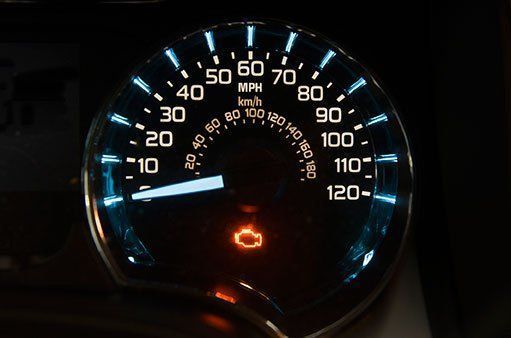
You're driving along when you suddenly notice that the check engine light is illuminated on your dashboard. The check engine light is an important indicator of problems with your car, so you shouldn’t ignore it. The more you delay making the necessary repairs, the more likely you are to have more costly ones down the road.


Here are some things you should know about the check engine light and the most common reasons why it comes on.


What the Light Monitors

The check engine light is part of a computer-controlled monitoring system that receives data from various sensors, which are mostly located in the engine compartment or along the fuel and exhaust lines.


These emission-related sensors help keep the engine running at an efficient level while keeping vehicle emissions under control. They also monitor and control things like coolant temperature, fuel mixture, air intake pressure, and temperature.


What the Light Means


When the light comes on, it means that one or more components have failed or it has sensed a problem. However, depending on what the failed sensor was monitoring, you may not notice anything different about how your car runs when it happens. This does not mean that you are not causing damage to your engine if you keep driving.


How to Check for Codes


The way to check codes depends on the age and type of your car. Most codes are either checked with a scanner or by creating a jump between two pins. Some cars reveal their codes by flashing the light a certain number of times, while others give an actual code number. While many cars share similar coding, if you are checking the codes yourself, be sure you have the exact code list available for your particular model.


Why the Light Comes On


While many components connect to the check engine light system, failure with these five tend to be the most common reasons why the light comes on.


1. Loose Gas Cap


If the light came on just after you filled up your tank, then check to make sure the cap is on tight. You may also need to replace the cap if it no longer holds a seal.


2. Bad Oxygen Sensor


When this component fails, you may notice a change in your engine's performance. While you can change this part yourself, it can be difficult to do so on some models.


3. Clogged converter


The catalytic converter helps reduce the amount of emissions that make it past the combustion chamber and into the exhaust. When it fails, it could cause engine performance problems and may even overheat and catch fire.


4. MAF Sensor


The MAF, or mass air flow sensor, controls the amount of air that makes it into the engine. When it breaks down, it could cause problems with other sensors, as well as the catalytic converter. You may also notice a drop in fuel efficiency. Sometimes, the problem is not the sensor but a loose or broken wire.


5. Spark Plugs and Wires


Spark plug and wire problems often lead up to a misfire code. They can also lead to poor combustion and damage the oxygen sensor and catalytic converter. You should change your spark plugs and wires at regular intervals according to your manufacturer's recommendation.


Failing to remedy a check engine light situation may affect your car's overall performance and cause more damage over time. In places where you are required to have your car inspected, then it can also cause you to fail the tests.


Fortunately, any check engine light problem is fixable. If your check engine light is on, then take it to Letcher Bros. Auto Repair where experienced mechanics will diagnose and repair the problem.
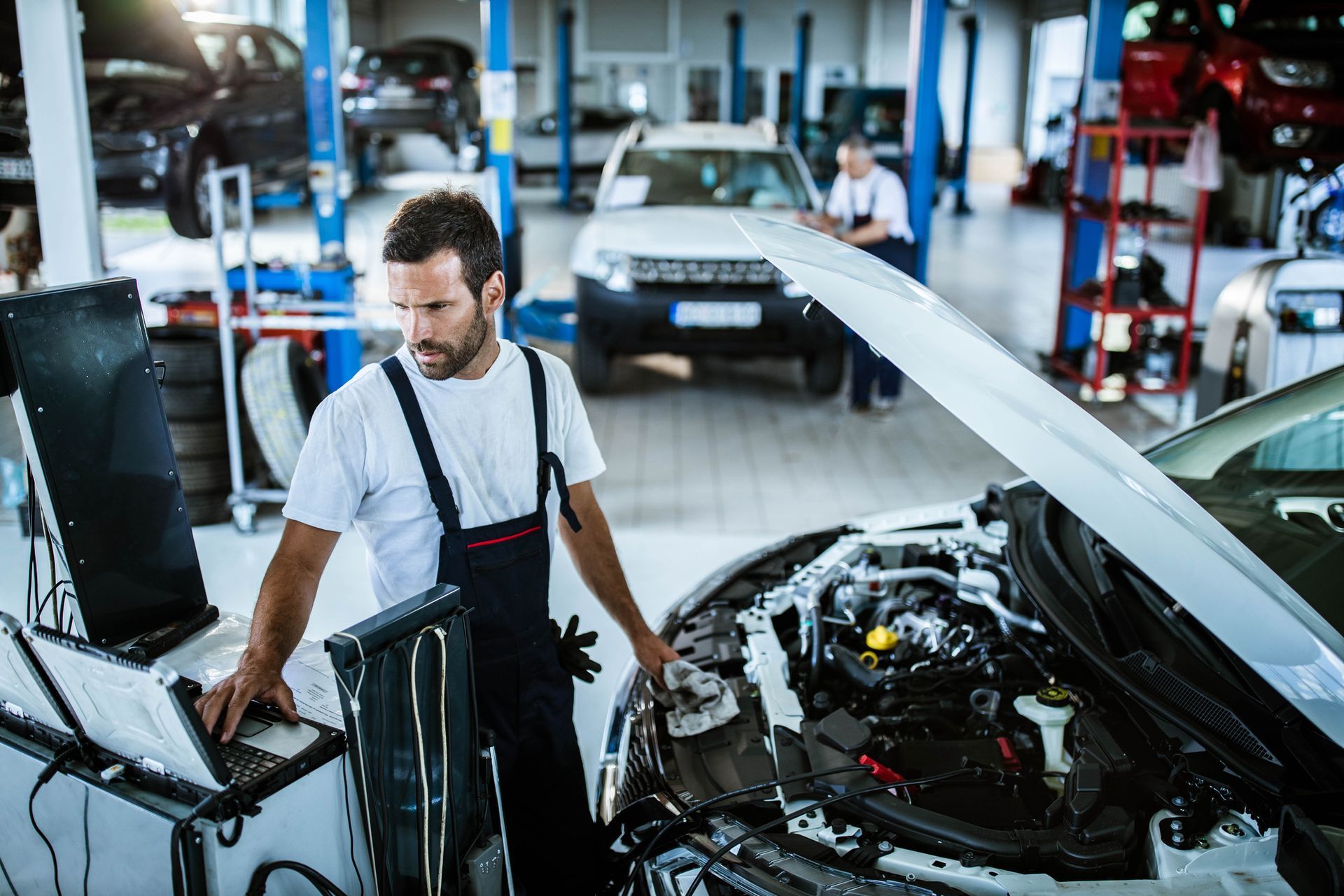
Young mechanic using computer for accurate car diagnostics in a busy repair shop.
October 7, 2025
Auto diagnostic services for Richmond, CA, drivers. Call Letcher Bros Auto Repair at 510-724-2335 for expert help today.
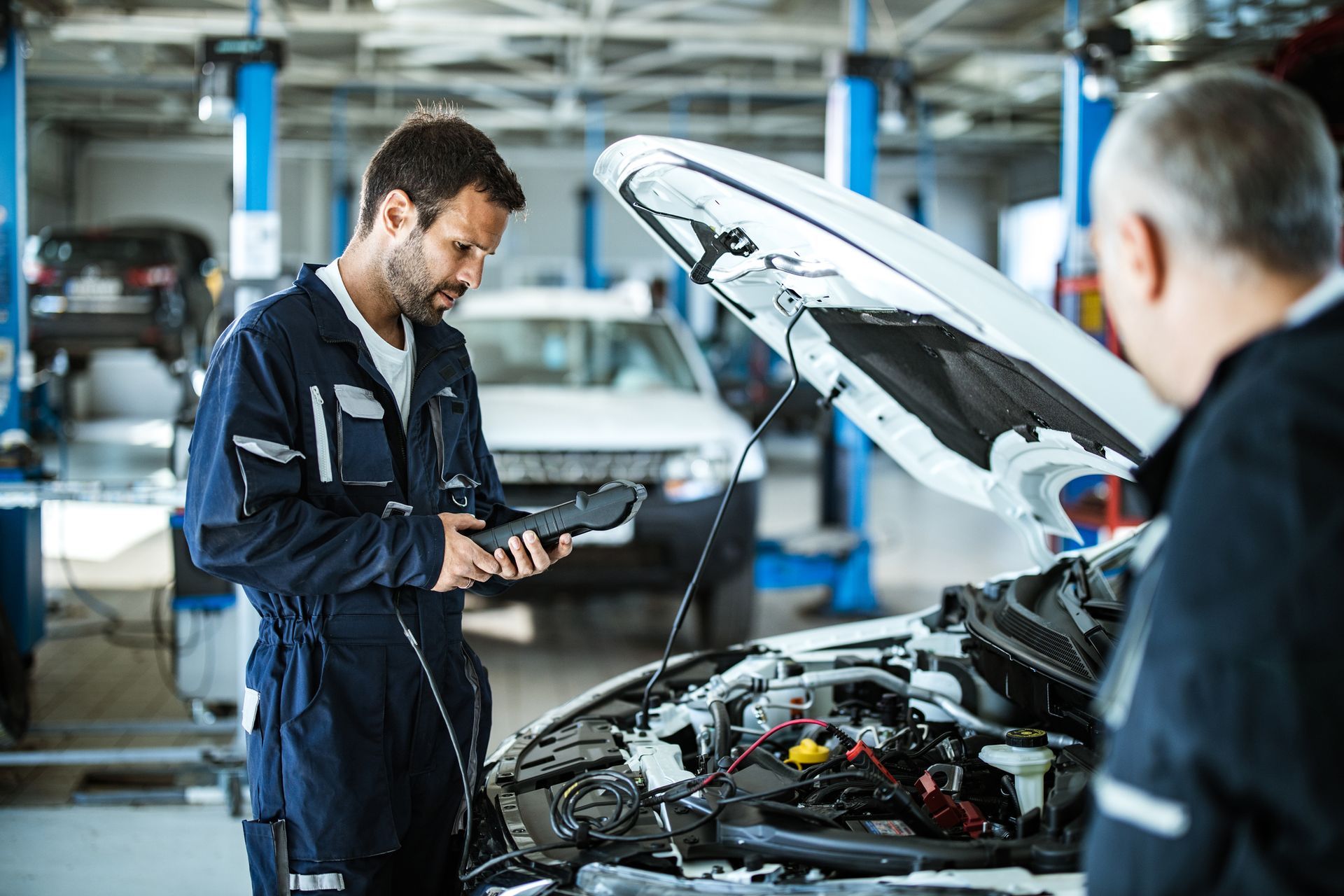
Mechanic using scan tool on car engine in shop for accurate automotive diagnostic services.
July 24, 2025
Need Auto Diagnostic Services in Berkeley, CA? Avoid guesswork and costly repairs with accurate diagnostics from Letcher Bros. Call us at (510) 724-2335.
A mechanic performs automotive repair on a car in a garage, surrounded by tools and equipment.
May 26, 2025
Notice car trouble? Contact Letcher Bros. at (510) 232-2485 for trusted automotive repair in Richmond, CA. Fast, fair, and reliable service.
mechanic from Letcher Bros Auto Repair working on an automotive repair in Richmond, CA
March 28, 2025
Learn why regular automotive maintenance is essential for Richmond residents. Keep your vehicle safe and efficient with Letcher Bros Auto Repair.
A person fixing a tire l Automotive Repair Richmond CA, Letcher Bros Auto Repair
January 30, 2025
Learn how to save money on auto repairs in Richmond, CA without sacrificing quality. Follow these tips for preventative maintenance, addressing small issues early, and working with a trusted repair shop like Letcher Bros.
Mechanics from Letcher Bros Auto Repair performing auto diagnostic services in Crockett, CA, ensurin
January 8, 2025
Improve your car’s performance with auto diagnostic services in Crockett, CA. Contact Letcher Bros at (510) 724-2335 to keep your vehicle running smoothly!
A man is pumping gas into a car at a gas station.
May 3, 2023
Uncover what lean fuel codes mean, why they trigger your check engine light, and how addressing them protects your engine.
April 6, 2023
Have you seen a wet patch underneath your car every time you park it? Before you make conclusions, it's essential to determine if you require expert help to fix the car problem. Whether it's your first car or you have several of them, identifying the leak might be difficult. For this reason, you should learn how to diagnose leaks and make an informed decision. This piece will help you understand the common types of car fluid leaks. Oil Seepage Oil leakage is a common problem you may face as you use a vehicle. The leakage forms a yellow or dark-brown patch under the car after parking it for some time. There are numerous reasons why a car may have an oil leak issue. Maybe you have a damaged oil filter, faulty oil seal, or damaged engine gasket. Issues like a defective or lost cap, holes in the oil pan, and valve gasket problems may also cause seepage. Fixing this seepage issue is affordable, so consider asking the mechanic for assistance. You may prevent this issue by prioritizing car service and oil changes. Ensure the oil you buy is from a good brand. 2. Brake Fluid Leakage Compared to an oil outflow, brake fluid leaks are somewhat challenging to diagnose. You will see a light-brown fluid close to the wheels or brake pads. If you notice this leak, do not hesitate to call your auto mechanic shop for emergency assistance. Brake fluids may leak if your vehicle has wobbly bleeder valves or worn brake pads, or when brake calipers, the rubber hose, or the master or wheel cylinders leak. Because this leak problem is severe, you should stop driving immediately after seeing the fluid signs on the wheels. 3. Power Steering Leakage Never ignore a power steering leak problem, as it indicates that your auto needs repair immediately. You will see this brown or red color leak towards the front part of the automobile. Its drip is thin and may occur after the seals and o-rings lose form because of old age. Older autos or those with significant mileage are more prone to this steering leak problem. You'll know there's a leak if turning the wheel when riding becomes challenging. This usually means the levels of the fluid are low and can't be pressurized. Sometimes the vehicle can also make a sound after turning the wheel. 4. Water Leak Another common fluid that might leak is water. Water leakages are odorless and clear and may appear under the car. The primary cause is the car's AC system. A mechanic should confirm that the clear leak is just water. If it is just water, no further action is necessary. 5. Antifreeze Leakage This is one of the unique leaks you may see under the vehicle. You will see a sticky substance that's pink, yellow, green, and a whole host of other colors. While this leak issue may not be an emergency, you should remedy it soon. The leaks occur when the radiator has a hole, or the sealing gasket is damaged. A blown head gasket or corroded radiator tubes may also cause this issue. So do not ignore the leakage, as it can cause severe complications like engine overheating or failure. You should take auto leaks seriously if you want your vehicle to function optimally without compromising your safety. Once you see wet patches under the car or on the wheels, do not hesitate to inform your mechanic and book an appointment. At Letcher Bros. Auto Repair, we can help diagnose and fix your auto leakage issues, so call us for professional help.
A person is shifting the gears in a car.
February 1, 2023
Deciding between automatic and manual transmission? Understand the pros and cons of each to pick the right fit for your driving style and needs.
A close up of the engine of a car
November 11, 2022
Explore the top reasons to change your car’s engine oil routinely — for better performance, longer engine life, and improved fuel efficiency.